










![How to Start an Ecommerce Business in Australia [2023 Guide]](/template/e27cf56f/images/resource-blog-right-img1.png)


18 Must-Have Ecommerce Website Features in 2026
If you are looking to build a new business online or looking to expand your commerce into new territories, creating an ecommerce website should be your number one priority. Giving a home to your business online, where customers can browse, find and ideally purchase from your store, has a few requirements to make it a success.
Here are 18 features common to both small stores and large brands:
- Simple, user-friendly navigation
- Customer login/Client Access
- Website search and search bar
- Your contact Page
- Store finder section
- Live chat application
- Social media links
- High-quality product images and videos
- Comparison features of button
- Security features and trust badges
- Simple shipping and returns policy
- Order tracking facilities
- Have a loyalty program
- Add a blog Page
- Email or News/Deals letter opt-in
- FAQ page
- Sort and filter option
- Multiple payment options
1. Simple, user-friendly navigation
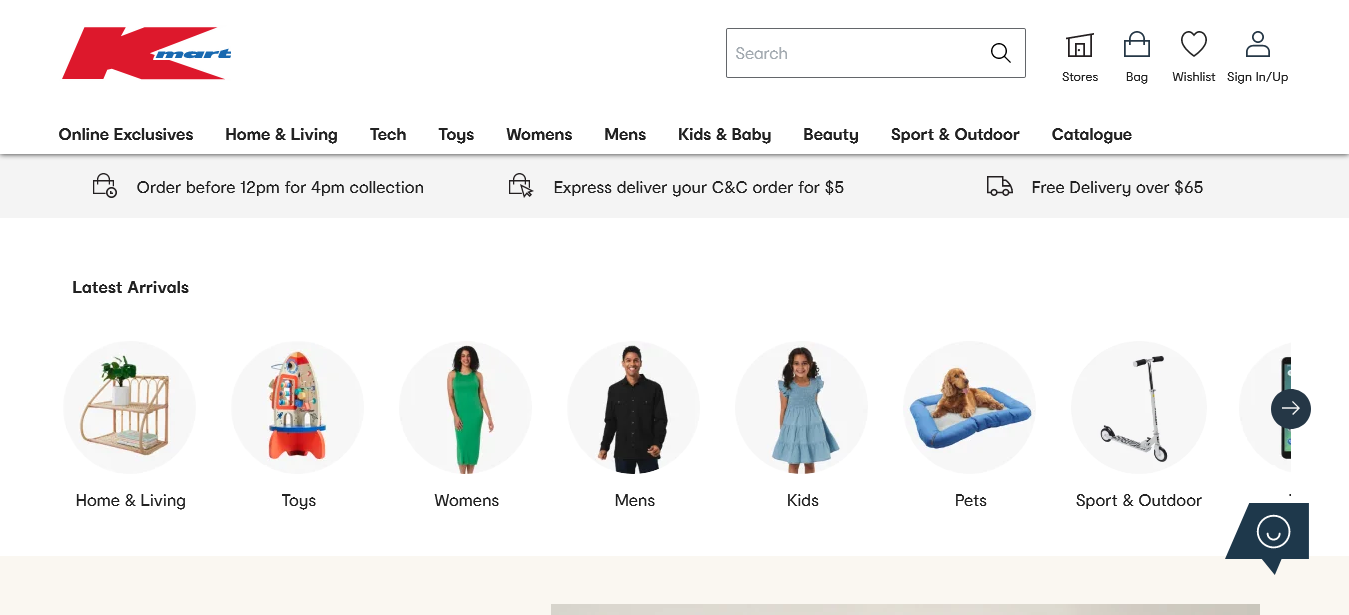
If your website isn’t easy to navigate, then simply put, you are making it harder for customers to buy your products. One of the most common reasons customers give for clicking away from a website is the difficulty in navigating through the pages to find what they need.
Research has also shown that the more outdated a website is, the less trust they have in making purchases from the site.
Follow these few things:
- Try not to clutter your main pages with too many adverts for special offers, and try to keep things simple.
- Add handy listings and a simple-to-view tree of your website pages to allow anyone to easily click through the categories of your website to help them find what they need.
- The sooner a customer finds what they need, the sooner they can start purchasing from you and the cleaner, smoother and simpler you make it, the more likely your ecommerce site is to be visited for repeat orders and recommended to friends.
- Use market research to let you know how you can improve and simplify the function of your site’s home page.
- Research shows that customers are drawn to the left side of the screen when visiting a home page – often the side where menus or categories are listed. Use this to your advantage and highlight special offers and deals to really maximise engagement and conversion.
2. Customer login/Client Access
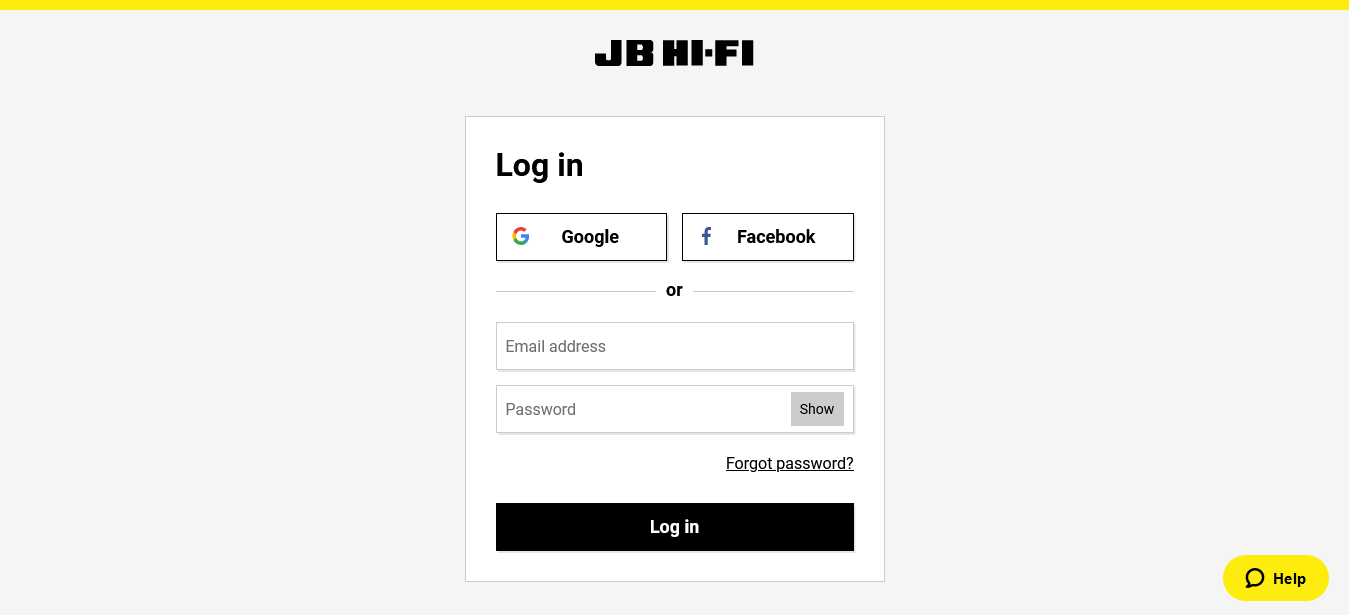
This handy feature is a must-have for ensuring your website is tailored to your customers. Knowing that your customers have a place set aside on your site just for them to browse their orders, their cart and their wish lists is a great way to keep customers on the site for as long as possible.
- Use some modern techniques to welcome your customers back with handy tips and customised greetings to make them feel at home. Suppose, if your customer has entered their date of birth, why not have a custom message ready for them if they log in to your site on their birthday and a gift coupon or special deal?
- Customer login pages should be the one place where everything is laid out clearly for the customer, with highlighted areas for customer services and your business's personal contact details. Customers love feeling in control of their options when it comes to orders and potential issues.
- Your website should be the one-stop shop for all things customer-focused in the login section. Make it personal and show your customers the lengths you would go to ensure their loyalty!
3. Website search and search bar
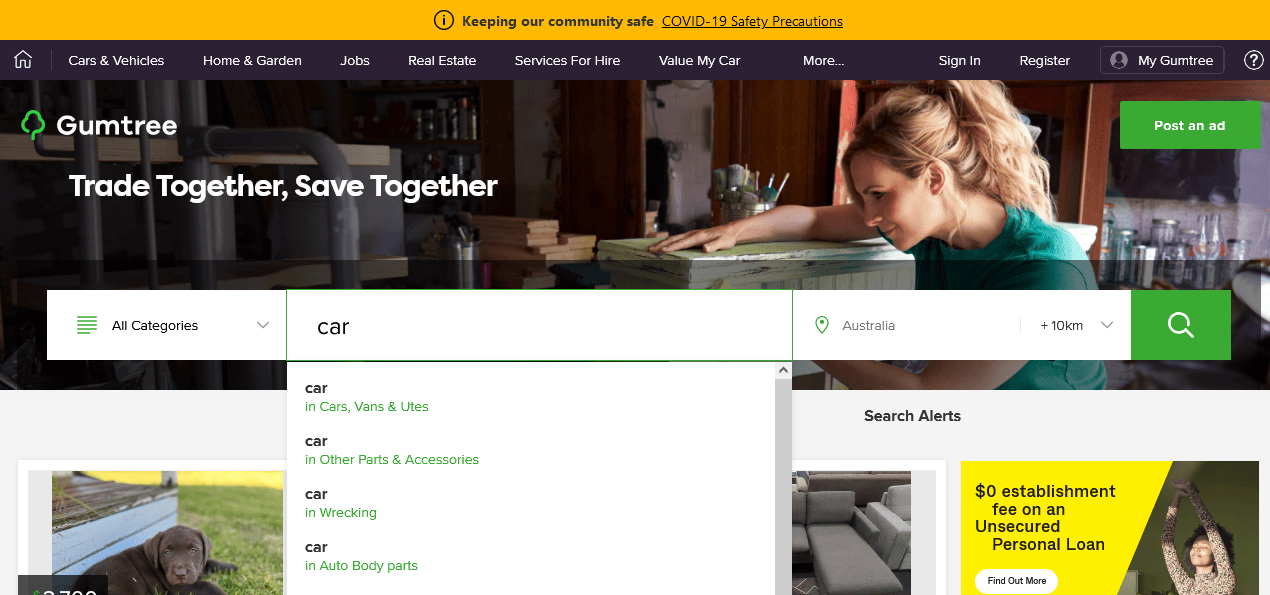
In this day and age, every website worth its merit simply must have a search function, in addition to a categorisation feature to list and itemise all of the site’s products simply and intuitively. Many websites place a search bar at the top of every page to ensure that their customers can zip to the item they are looking for at any time.
Ensuring that you have a good back-end system for categorising all of your items is the next step, allowing all of your products to be found simply, based on their category, as well as the specific search term used.
The search section of your site is also a great way of recommending similar or like-for-like items that you have special deals or discounts on, to double your efforts to make more conversions.
4. Your contact Page
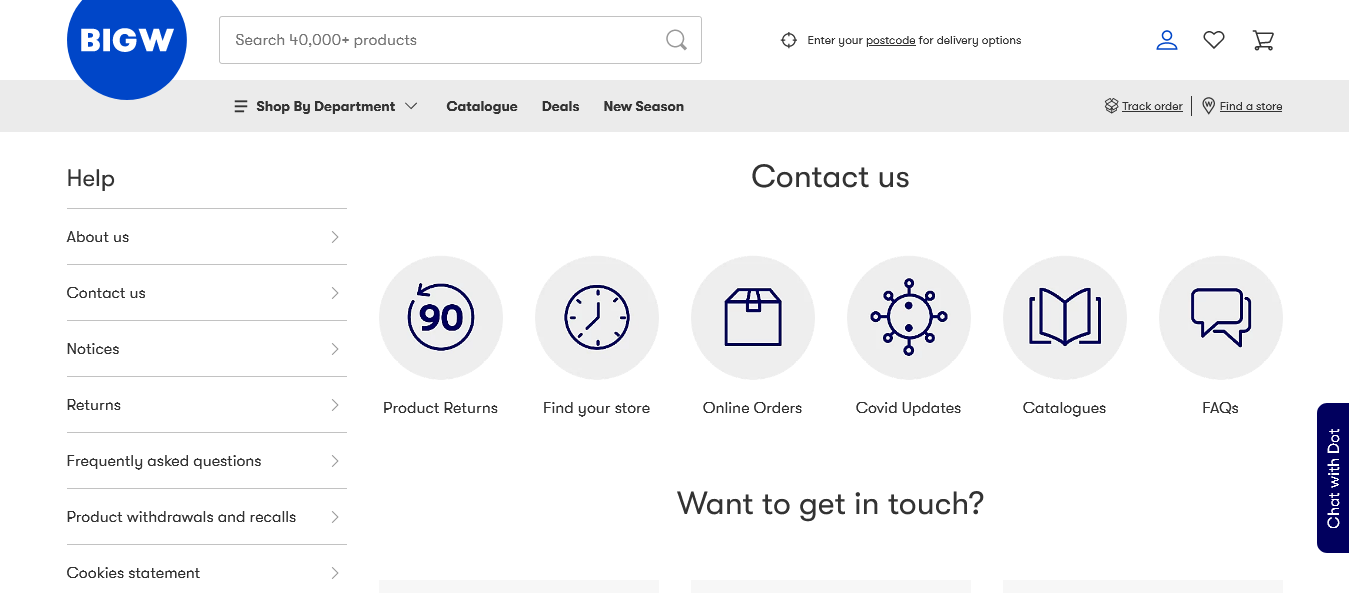
Having a specific page by which your customers can reach out to you in case of a problem is another absolute must. Just about every business on the planet has a website. Customers who aren’t able to reach out to customer service quickly and reliably will simply shop elsewhere.
Ensure that your customer service is clearly displayed, with available hours of contact and the estimated time of turnaround time for contact. This will give your customers more confidence in shopping with you if they can see that someone is on hand to help if they so require it.
5. Store finder section
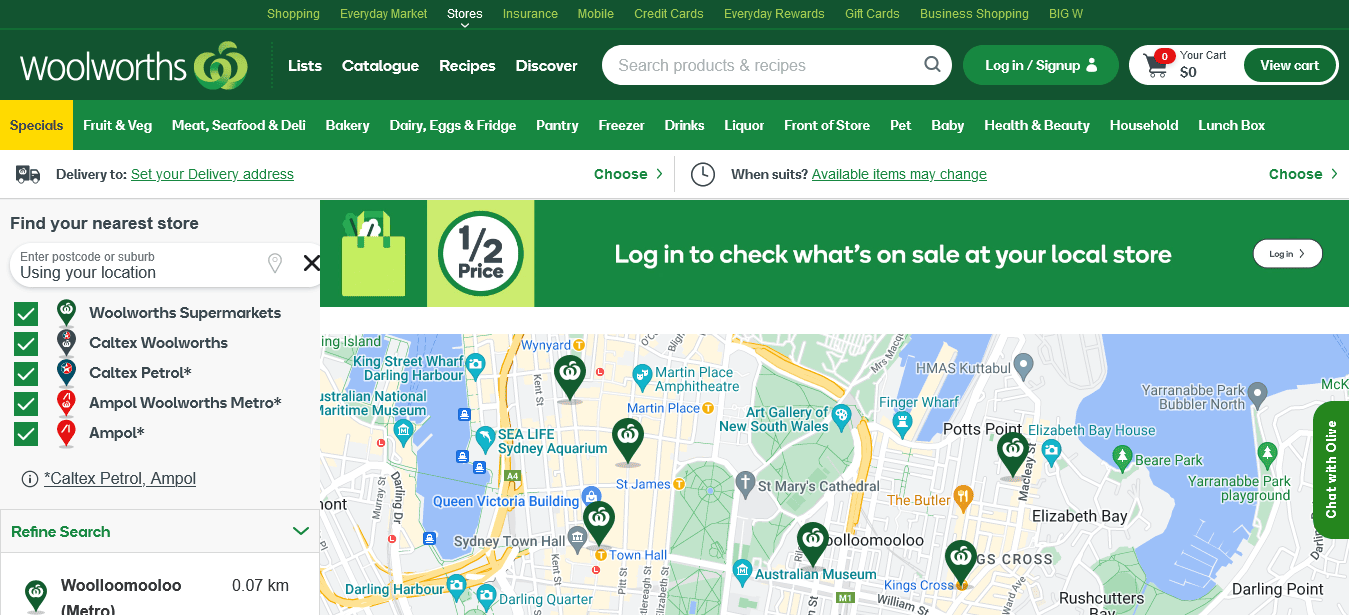
One of the simplest ecommerce features you can add to your website is a store locator section. This part of the site can be embedded in Google Maps, with the location of your store or stores pinpointed on a map overlay to help your customers find your location.
There are still a large number of people who wish to shop in-store, as well as personally pick up orders, so making sure that your customers can find your location with a simple map, interactive or not, is a great way to make more customer conversions.
6. Live chat application

If your customers have some questions about your products or services but can’t talk right now, one of the best ways to engage online is to provide a live chat service. Simple and sometimes even free live chat apps can be placed on websites to ensure your customers always have a point of contact with your sales team.
Ensure that customers can always reach out to you with any questions about a product or for advice on the services you offer. This will provide you with invaluable insight into your customers’ needs and requirements, all with a few clicks.
7. Social media links
Having your customers visit your services on numerous places on the internet is a great way to retain your customers, but also grow more customers with likes and retweets. Social media has huge potential to grow your business, so let your customers know where they can see more of your products!
- Having social media links on your website is an absolute must with today’s ever-changing customer base and app landscape.
- Give your customers a chance to see your products in use, in the environment.
- Create demonstration videos and short-form content to showcase special offers and deals.
8. High-quality product images and videos
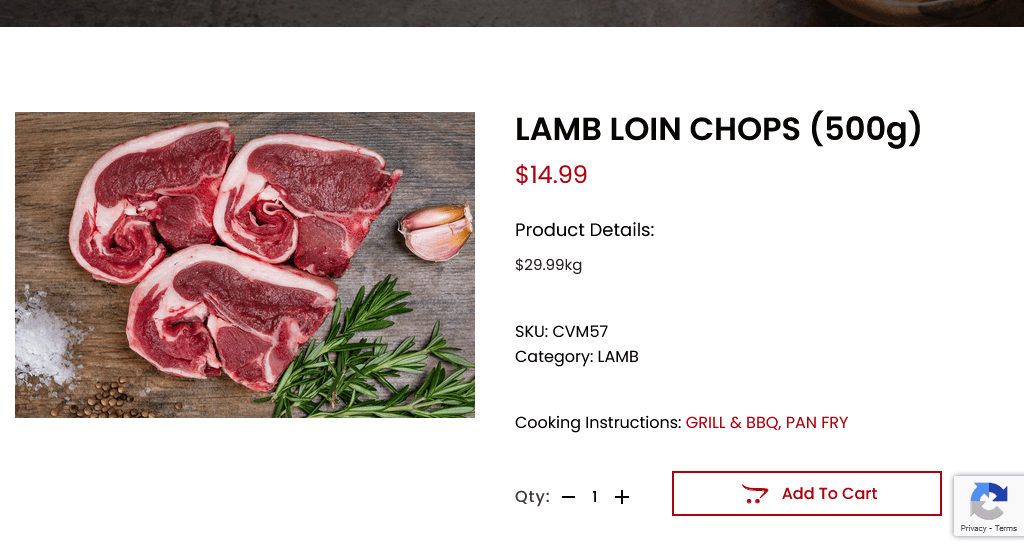
A great way to add more professionalism to your ecommerce website's features list is to use high-quality product images. Whilst it might seem like a good idea to take images of your products in-house, ensuring they are displayed in their best light is a surefire way to get your customers over the line.
Many professional product photographers charge simple flat rates for items. Try to get all of the photographs and videos done by the same company so that you can give your website a clean and consistent branding look.
9. Comparison features of button
Finding it difficult to get rid of some older stock or stuck with hard-to-shift items? Adding a comparison button is a great way to point your customers in the direction of the products you want to sell more of. Comparison features allow your customers to compare two or more similar items to make the best choice.
You might often find that when shown two similar or competing options of a product, a customer is more likely to follow through with a purchase, due to being given the option of an alternative.
Play around with adding top sellers or in-house branded products to allow your customers to see how budget items stack up against the top-rated brands in an easy-to-see way.
10. Security features and trust badges
Want to ensure that all of your customers know that the payment methods they use aren’t going to be hacked or stolen? Add some security features to your website as a standard to keep your customers safe from attacks.
Installing SSL certificates is the simplest way of reassuring your customers that online payments via your website are safe and secure. Display your trust badges permanently on your checkout pages to provide further reassurance that the site is well-maintained and secure.
11. Simple shipping and returns policy
Give your customers a clear and concise explanation of your delivery and returns policies to manage their expectations. Highlight your free shipping if available and ensure that you include a link and a printed explanation of your returns policy on your checkout page.
Like many measures listed in this guide, keeping it nice and simple will mean that your customer service agents aren’t busy dealing with simple enquiries, leaving them free to deal with more personal matters related to your products.
12. Order tracking facilities
Whether you need to create a database and update your site for each order, or simply embed a tracking app within your page, offering a place on your site for your customers to track their orders is a great way to get them to browse and make further purchases.
This type of customer retention is also a great way to build trust, especially if there is a simple and secure way of dealing with order tracking directly on your customer’s member login page.
13. Have a loyalty program
One of the best features you can display on your ecommerce site is a loyalty program to entice new customers and to also encourage customers to shop again. Make sure to add links to your loyalty program on your main page, but also add reminders on the shopping cart page and just before checkout to entice those customers to sign up.
- Make sure to add links to your loyalty program on your main page.
- Also, add reminders on the shopping cart page and just before checkout to entice the customers to sign up.
- It’s a great idea to include vouchers, codes or discounts at these key areas of your website, ensuring that they are clearly seen and a simple click to add a subscription before your customers make their purchases.
14. Add a blog Page
Giving your customers a little insight into who you are as a company and what type of ethos your ecommerce site has. It is a great way to build your brand. Ensure that these pages are professional, yet with a personal touch to let customers get to know you.
Keep the blogs on-trend with your type of business, and let your customers know more about your team. This way, you can build loyalty and community with your customers while making sure your blog page is always customer-facing, and a little humour goes a long way!
15. Email or News/Deals letter opt-in
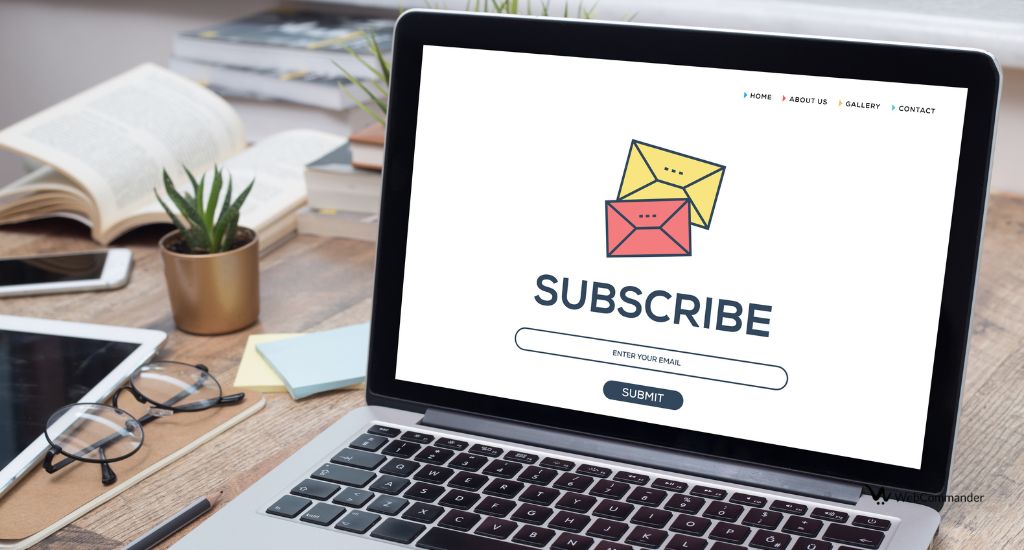
When it comes to ecommerce features you simply must add to your website, email opt-in buttons are one of the most valuable. Make the process easy for your customers to add their email addresses. Let them subscribe to all of the new deals and promotions you have on a regular basis.
You can also run an experiment with the number of emails you send out, as well as the frequency of newsletters. If you get it right, there is an excellent opportunity to turn one of the simplest marketing techniques into a real money spinner for your ecommerce site.
16. FAQ page
Having a frequently asked question page will work more than just as a resource for customer inquiries; it can assist you in maximising customer loyalty and improving your conversion rate as well.
When you don’t have an FAQ page, there is a high chance that your prospects will leave your website with unanswered questions. Because no matter how well-organised your website is, users often find it annoying to browse through all the pages for their queries. But when you are offering an FAQ page, it works as a central place for the answers your potential customers might be looking for.
With a good FAQ page in place to answer all basic questions, you can allow your customers to have access to your up-to-date information. Also, it holds the biggest potential to increase traffic to your website through search engines.
17. Sort and filter option
Finding the right product from the product listing that contains hundreds or thousands of items can be overwhelming for any customer. Here’s where the importance of designing appropriate ecommerce product filtering and sorting options comes in.
With filtering, you can shortlist products based on the parameters. Good product filtering is one way to direct your customers to browse relevant areas of your ecommerce store.
For example, when a customer shops for a dress, they look for brand, size, colour, price and fabric. So, if you have category-specific filters based on these categories, it becomes more convenient for your customers to shop.
Sorting is a method in which products are arranged according to specific criteria. Customers can choose the criteria by which they want products listed.
For example, if a customer chooses to see products in order of price, you can employ sorting in the pricing category, including high-to-low and low-to-high options.
18. Multiple payment options
When shopping online, customers set their preferred payment method. So, if you offer limited payment options, it can lead to cart abandonment. While providing several payment options comes with its pros, it maximises customer satisfaction and brand credibility. Also, it increases the conversion rate as hassle-free checkout results in fewer abandoned carts.
From basic debit/credit cards to PayPal to Google Pay to Stripe, depending on your business and region, you can choose the payment methods that suit your needs. Also, prominently display all your payment options to reassure your prospects that they have multiple options to complete their purchase.
Conclusion
If you want to stay ahead of the competition in the ecommerce sector, adding these must-have features to your site will get you there in no time at all. It’s always best not to make your website too flashy, filled with ads or pop-ups, but instead to ensure a clean layout for all the tools you have given your customers.
Your audience will know how best to use most of these features, and whilst doing so, will give you great insights into their browsing habits and purchasing trends across the site. The more information you have at your disposal, the better the customer experience will be in the long term, so implement these must-have ecommerce website features to maximise sales and minimise headaches.


